
Life Lesson #2: You don’t have to change alone
What is the first thing that comes to mind when you hear the word hypnosis?
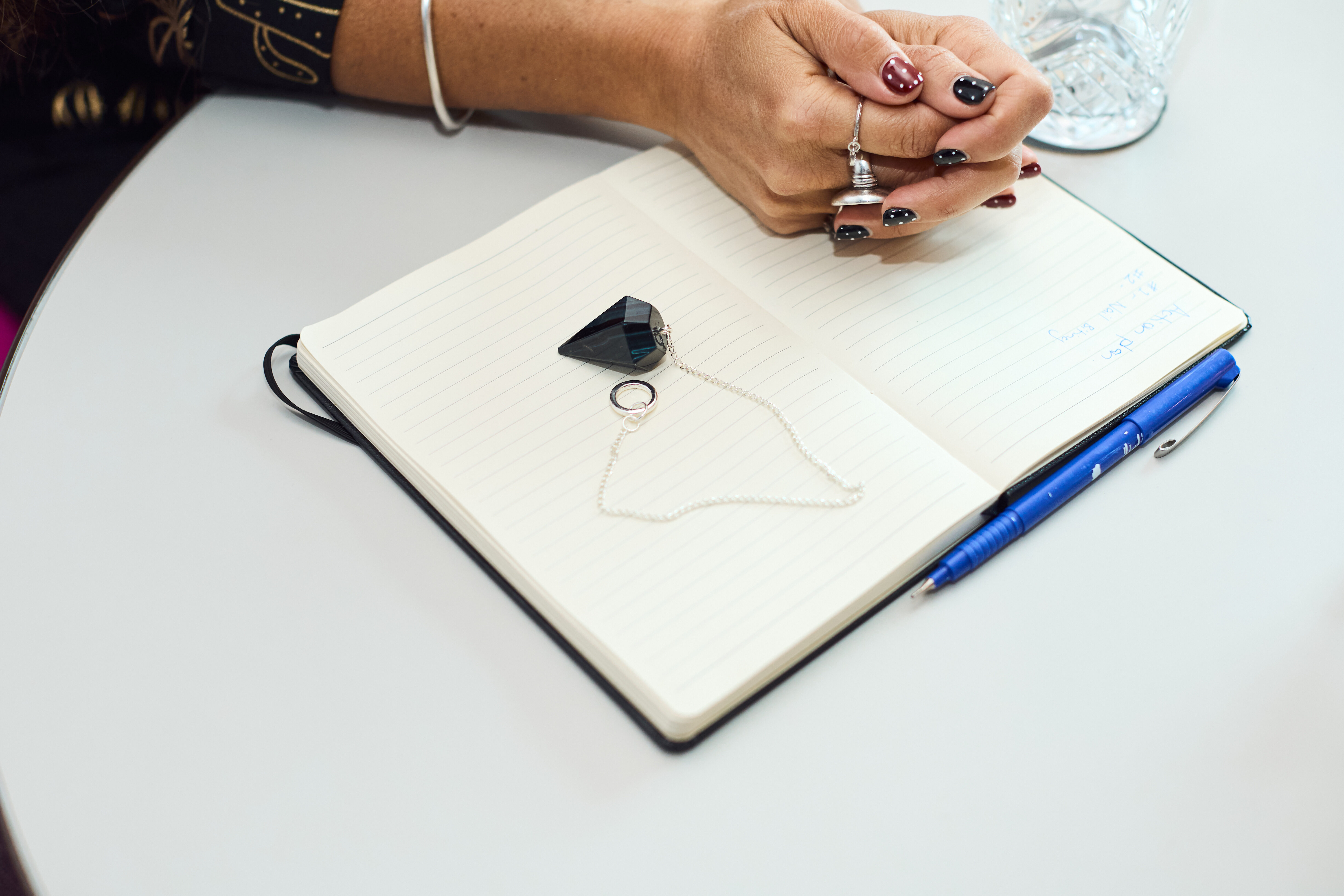
A swinging watch?
A hypnotic swirl?
Someone clucking like a chicken on a stage?
That is what most of us have been taught to picture.
So, when I tell you that I recently became a qualified hypnotist, I can almost hear the questions forming.
No, I cannot make you do anything you don’t want to do.
No, you don’t lose control.
And no, you won’t reveal your deepest secrets while clucking like a chicken, while I sit nearby taking notes.
Hypnosis is much less theatrical and much more powerful than people realise.
What hypnosis actually feels like
Hypnosis invites you into a deeply relaxed, focused state known as trance.
It is a completely natural state. We move in and out of it when we become absorbed in a book, drive a familiar route without consciously thinking about every turn, or become so immersed in a task that we lose track of time.
I meditate, practise yoga and teach nervous system regulation, and I can safely say that the relaxation I experienced through hypnosis felt even deeper.
But relaxation is only part of it.
Hypnosis helps us work with the unconscious mind, the part of us that stores our stories, patterns, habits, beliefs and automatic responses.
You remain aware and in control. You arrive with an outcome you genuinely want, and we work together to create suggestions that support that outcome.
It might be changing a habit such as smoking, vaping, nail-biting or afternoon snacking. Or perhaps you don't look the way you want and you need help beyond willpower to lose a few kgs.
It could be drinking less, establishing a new routine or feeling calmer and more confident before a race, presentation, workshop or sales pitch.
Hypnosis isn’t about someone else controlling you.
It is about helping your conscious and unconscious minds begin working towards the same outcome.
When willpower isn’t the whole answer
Last year, I wanted to stop my afternoon habit of eating peanut butter on crackers or just a couple of tablespoons straight from the jar.
I was definitely at an addiction level because I needed it daily, but also was trying to lose a few kilograms and feel lighter for a race. I knew it was a quick way to give up calories I didn't need. I had tried and failed with willpower to give it up...
I had the habit recoded by connecting peanut butter on crackers with something I really dislike: anchovies.
I haven’t eaten peanut butter on a cracker since.
I can still tolerate it in a smoothie or bliss ball, but eating it on its own has completely lost its appeal.
It was such a small habit, but the speed and effectiveness of the change fascinated me.
Right now, I’m using hypnosis to support a new morning routine.. So far, so good.

What habits have to do with leadership
We tend to think of habits as the obvious things: what we eat, whether we exercise, how often we reach for our phones.
But we also have emotional habits.
We have habitual ways of responding when we feel challenged, overwhelmed, unseen or under pressure.
I’ve had moments at work when I could feel frustration rising. My old habit was to keep pushing, move faster, carry the problem myself and fix it.
Asking for help felt uncomfortable.
But becoming aware of the emotion created a pause. That pause gave me a choice: react from frustration, or acknowledge what I was feeling and ask for the support I needed.
The situation didn’t magically disappear. The difference was in the outcome.
That is a large part of better leadership. And better relationships.
It isn’t about never feeling angry, impatient or overwhelmed. It is about noticing what is happening within us before that emotion takes control of what happens around us.
Whether we are changing an afternoon snacking habit or learning to respond differently, the principle is much the same:
First, we become aware of the pattern.
Then, we decide what we would prefer to do instead.
And sometimes, we ask for help to make that change easier.
The life lesson
Change doesn’t have to be a test of willpower.
Sometimes the strongest thing we can do is become curious about the pattern, decide what we want instead and accept or look for support in creating change.
We don’t need to keep trying and blaming ourselves (or others) when the same patterns return.
Using a tool such as hypnotherapy isn’t taking the easy way out. It is choosing a different way to work with the patterns operating beneath the surface. It is actually building a relationship with your unconscious mind, the part of you that holds your intuition, imagination, emotions and runs your bodily function without conscious thought.
From my perspective, hypnosis gives me another way to help people create meaningful change - not by forcing change, but by making the desired outcome feel aligned, desirable and achievable.
A question to sit with:
What habit or response are you still trying to change alone and what might become possible if you asked for help?
Hello and Welcome to Life Lessons.
I’m Nicolette Briscoe. A marketing and PR strategist and mindset and leadership coach. I help people and businesses find the clarity, confidence and language to communicate who they are becoming.
If this lesson made you think differently about how you live, lead or show up, subscribe to Life Lessons or share it with someone who might need it today.